
Thank God we don’t live in a meritocracy (when it comes to music):


If technique were the only path to prestige, we would be suffocated by a pantheon of power players all getting their shred-on with no recourse to creative spirit.
Granted, when it comes to music’s strength, part of that which mobilizes bodies to do more than dance, i.e., excites novel countercultural movements at large, has historically involved the audience’s awe at raw muscle power, from the digital dexterity of Jimi Hendrix to the cast-iron chops of Charlie Parker.
In parallel, there are many honors designated to classically trained virtuosos who push their physiological limits and achieve exceptional abilities, such as Yo-Yo Ma—hailed as one of the greatest cellists of all time.
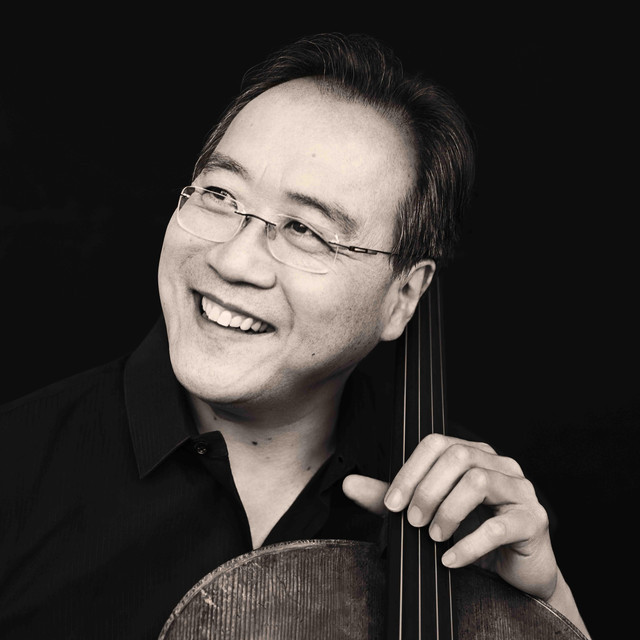
In music, we need great instrumentalists like Yo-Yo Ma to succeed in bringing challenging compositions to life and to model a disciplined work ethic for aspiring performers in the future. Otherwise, we might never hear anything better than a 5th-grade choir’s rendition of Beethoven, and instead of The Beatles, we’d have The Shaggs as popular icons.
However, as much as this kind of modeling is necessary for the longevity of music, I would argue there is a threshold where technique can become so increasingly performative that it overrides and even harms creative genius.
The line becomes somewhat more stark when comparing a prestigious player like Jimi Hendrix with a contemporary player lauded for their exceptional skills, such as Tim Henson of Polyphia, to pick an example. Before diving in, however, I would like to preface that I am not attempting to disparage Henson or his abilities—on the contrary, I saw Polyphia live in 2018 at the House of Blues in Chicago, and I thought they were outstanding performers; moreover, the point I’m getting at isn’t concerned with pitting these two players against each other in a gladiator ring, but to highlight a social dynamic that reflects how we choose to value and define music in modern culture.
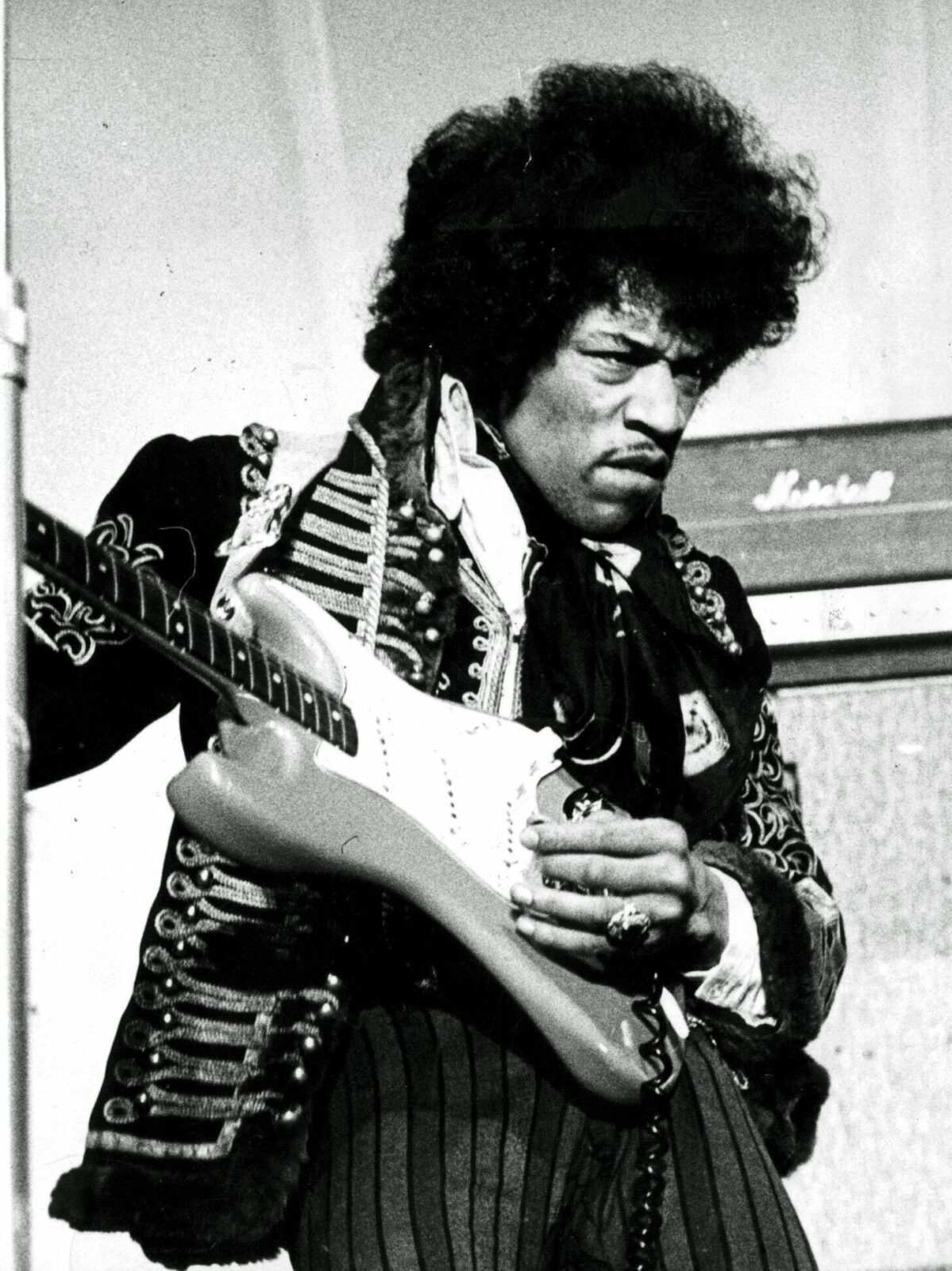

Both Hendrix and Henson can be seen as exemplars of technique, each having earned public acclaim specifically for their skill level as guitarists. For example, Hendrix is classically cited by many respected players, such as Eric Clapton and Jeff Beck, for his influential style and incredible technical abilities. Similarly, Henson’s reputation as a “guitar god” or “fretboard wizard” is earned based on his impressive level of skill. While they share this in common, it doesn’t take much magnification to see where the comparison breaks apart at the seams.
Focusing a little closer on the musicianship of both artists, we discover what doesn’t at first meet the technically-trained eye. For one, most people are aware that Hendrix’s legacy doesn’t rest exclusively on technical haunches; he did more than impress his audience, he revolutionized them with his wild style, novel forms of expression, and ‘instrumental’ political commentary. By contrast, while Henson also shares the power to electrify the dancefloor with moshing bodies through ability alone, his playing seems to be missing much of the depth of what Hendrix brought via electric guitar. This sentiment is reflected more broadly by users’ comments in this Reddit thread.

Of course, Hendrix or Henson could not have achieved fame by being bad players. On the contrary, their talent was most certainly a prerequisite in capturing their respective audiences. But although Henson’s merit cannot be denied, his musicianship evidently falls short of the high level of creative potential that Hendrix executed in his brief yet impactful career. That’s because Jimi Hendrix outshone his own merit through the multi-dimensionality of his creative spirit—the same reason why he is continually talked about as one of the most influential guitarists by such a variety of musicians in the last century.
That said, it might have been around the time of Van Halen when the idea of “who is the best guitar player, aka, most notes in the least amount of time?” rolled into rock in the 80s. Over the last several decades, this has shifted a portion of the music industry towards meritocracy, or “a system, organization, or society in which people are chosen and moved into positions of success, power, and influence on the basis of their demonstrated abilities and merit.” According to meritocracy, your popularity is earned solely through your abilities/skills alone. So, for instance, you might be able to make it in the business, but only if you can nail the solo in Through the Fire and the Flames. If you can’t do that, you might as well take your simple song structure and meaningful lyrics to the curb and have fun dying of starvation.
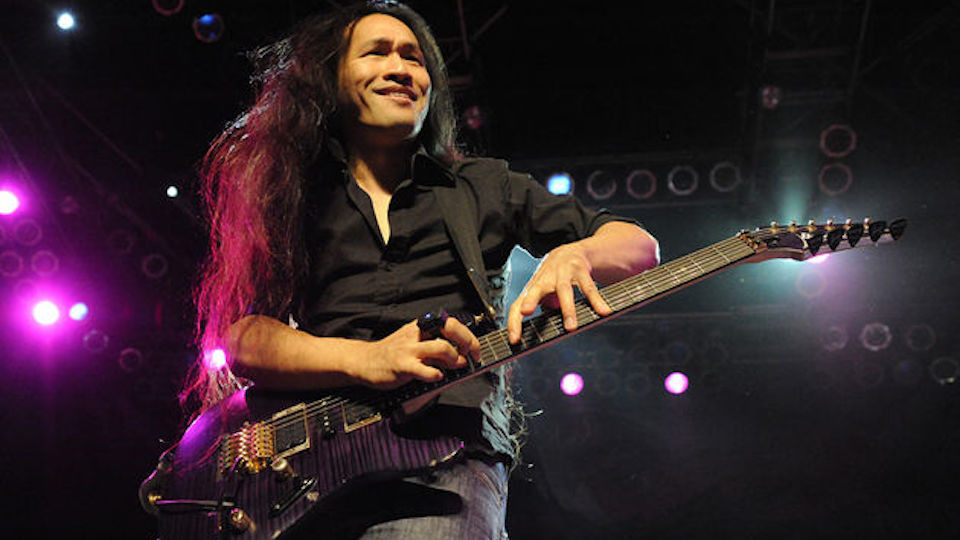
Maybe it’s not that extreme, but at one level, meritocracy does persist, and it’s evident throughout the performative, competitive spheres of the music industry. We find it today in Tim Henson’s brand of playing and the viral popularity of videos on GuitarTok. Its reach spreads far and wide, effectively dampening the creative spirit along with it in exchange for promises of fame and fortune. To that end, meritocracy remains a profitable form of exploitation by the music industry: keep practicing, get faster, play all the right notes, and you’re guaranteed a golden ticket. But as noted earlier in the comparison between two successful players, merit is only one aspect of a multifaceted musicianship. What’s more, the legacy of an artist can never be established on the basis of merit alone, since there will always be someone (technically) better, now or in the future. Isn’t that enough reason to explore, experiment, and expand all the unique qualities of one’s own musicianship? Do you want to get “really good,” or be truly Good?
At another level, meritocracy is not all doom and gloom. To reiterate, if we didn’t have something like it, we would think, “Elvis in the 50s shreds, brah.” Elvis does not shred. We needed a Van Halen to unleash epic fingerpicking arpeggios for rock to stay exciting, and I’d say Tim Henson does an exceptional job raising the bar for noodlers that want to become shredders in today’s rock arena. But on their own, performativity and merit do not define music, or for that matter, rock.
Thankfully, although prevalent, meritocracy as it exists in the music industry today is not the only system for artists seeking success; there are thousands of successful artists who don’t strive for merit and instead look to break the mold or chase a new sound. If that weren’t the case, we would be all the more starved for culture, missing the deep emotions and creative spirit that lends music its infinite depth and potential.
I’d say this take on technique vs. creativity is recycled pretty frequently in conversations about the industry. It’s a light topic to make a post about, though, and maybe you have a different stance. If so, drop a response in the comments below!
Thanks for reading! You can opt in for further blog updates from (In)Sitze by subscribing to the Newsletter below.
How about the merits of chord progressions, harmonic ingenuity or other subtleties? Finger dexterity is only one part of musical genius, so perhaps the implicit violence of “shredding” is less a matter of skill and more indivcative of less meritorious temperament?
Hey, Grandpa, thanks for the question!
That is a nice way to expand the critique. Hendrix definitely meets those first two merits you mentioned, and I’d say there are many musicians or rockstars who would choose to focus more on refining those categories than on rapidity. I might find meritocracy a better means for popularizing musicians if the definition of “merit” integrated more of those qualities!